
security of land tenure
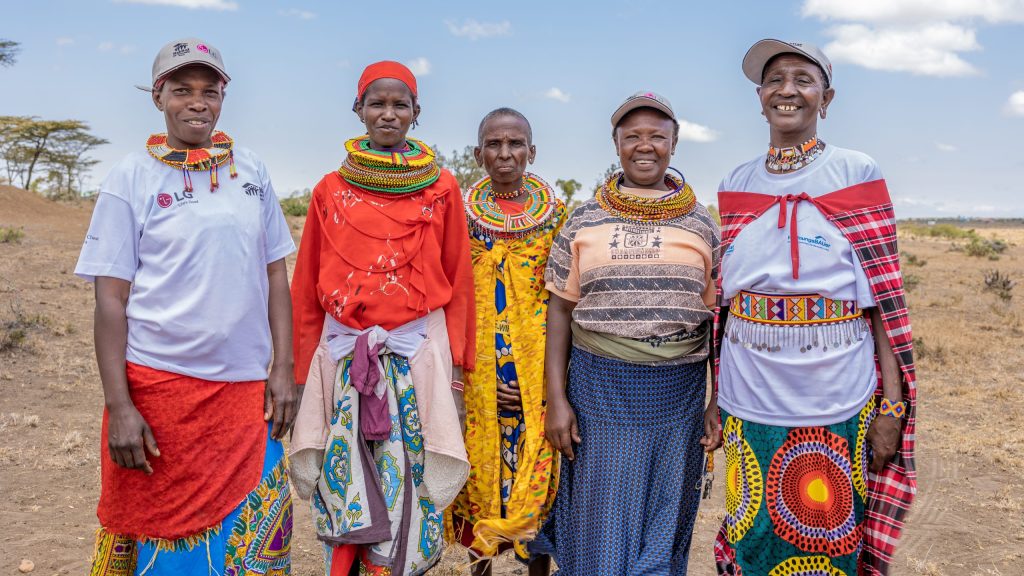
The goal of this programme is to ensure more families and communities live with secure land tenure. We specifically support women and other vulnerable groups to secure land titles and raise their awareness on existing land laws and tenure options in Kenya.
By advocating for land rights, especially for low-income women, Habitat helps empower local communities to confront a key barrier to adequate shelter.
solid ground and scale
Habitat for Humanity Kenya’s experience on evidence-based advocacy for land titling and security of tenure started in 2018, through our “Solid Ground campaign”. Interventions included legal and financial support for processing formal ownership and advocating with local and national governments to recognize and implement incremental land ownership alternatives. We successfully lobbied the local and national government to allocate 50 acres of land and issue land titles to 400 families in Laikipia.
HFH Kenya is currently engaging county governments to identify the gaps and bottlenecks in the implementation of governments statutes and policies that have a bearing on land titling and security of tenure.

advocacy strategies
Our land tenure advocacy strategies include:
- Advocating for the improvement of land governance and administration systems.
- Working with county governments to digitalize land titling and develop alternative tenure options.
- Empowering women and other vulnerable groups to secure land tenure through formal and informal mechanisms of land ownership.
- Supporting county level policymakers to promote policies, laws, systems and practices that advance land tenure security.
- Creating public awareness about existing land laws and tenure options and empowering community lobby groups to influence land access and ownership.
disaster risk reduction and response
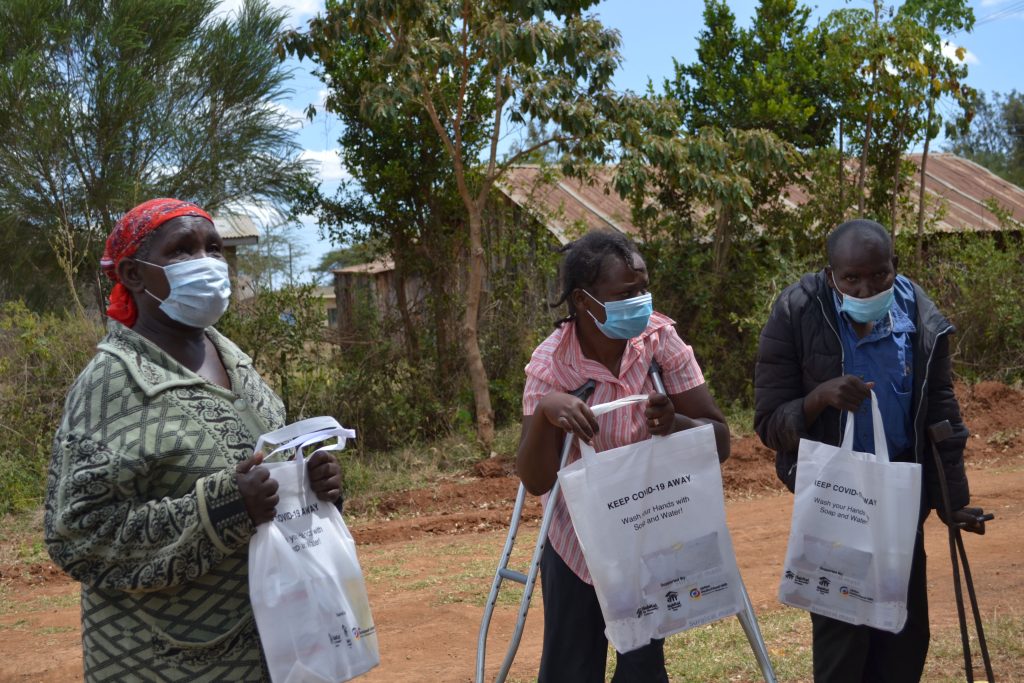
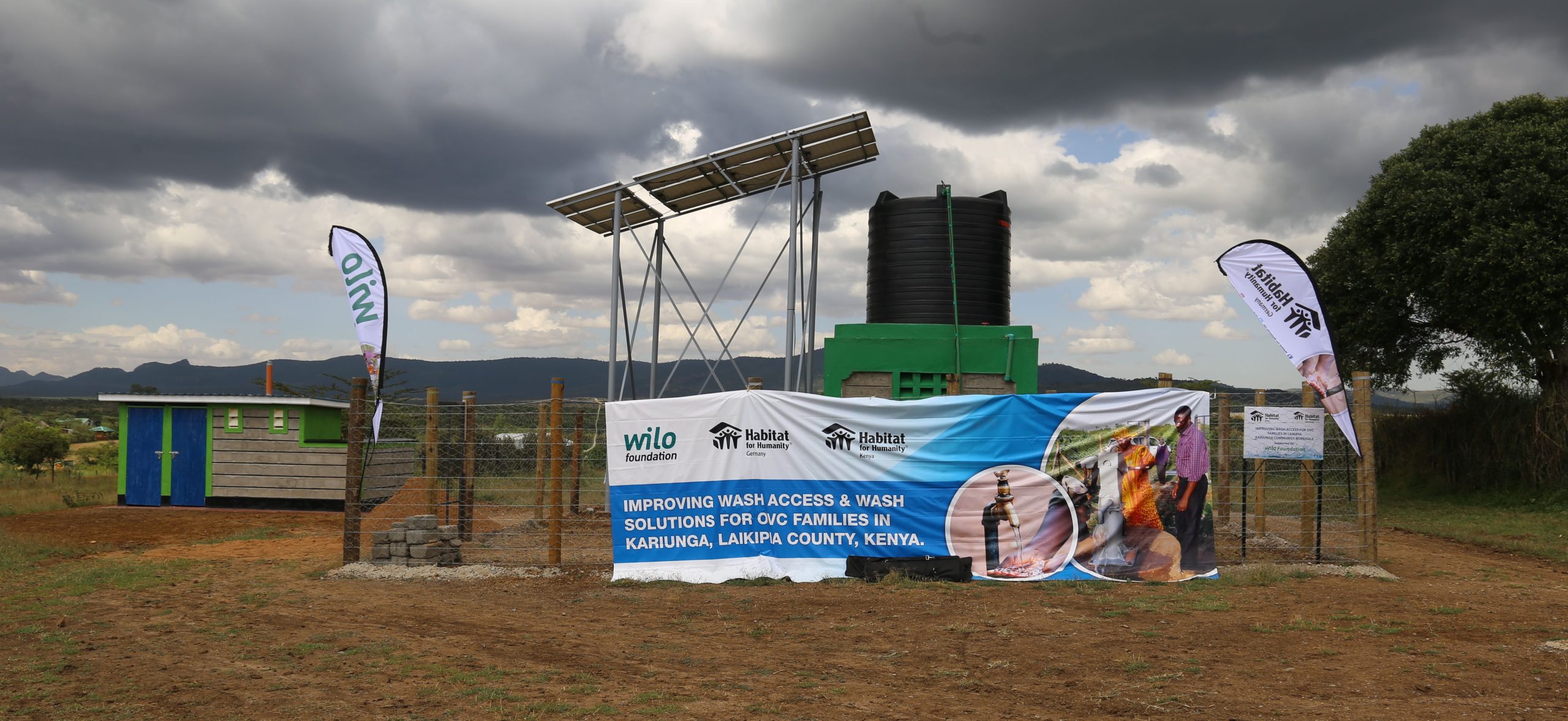
Habitat for Humanity Kenya supports communities in reducing risk from and exposure to disasters while helping develop sustainable disaster response interventions, from helping internally displaced people build homes to establishing WASH interventions in drought-prone areas. During the COVID-19 pandemic, Habitat Kenya has distributed cash transfers to vulnerable communities in Laikipia and Homa Bay counties.
pathways to permanence
Habitat’s disaster risk reduction and response programs draw upon the organization’s larger Pathways to Permanence approach to reducing the vulnerability of disaster-affected families, using a holistic program that puts them on a path to durable, permanent shelter solutions. This is an issue of particular importance given the tendency by affected families with shelter needs to engage in self-recovery and owner-driven reconstruction after disasters.

holistic shelter response
Habitat Kenya focuses as much on the process of sheltering and risk reduction as it does on the products that may support it. Effective shelter assistance and programs build on those efforts. Our goal is to restore not only physical structures but also social, economic, natural, and cultural environments. Shelter assistance also serves as a platform for health, water, sanitation, livelihood protection, education, and other post-disaster interventions.
Habitat Kenya is currently in talks with the governments of the flood-prone Tana River and Kisumu counties to build the capacity of affected communities on effective water management for increased climate resilience and providing affordable and durable temporary shelter for displaced persons.